
High-Reliability (Hi-Rel) components
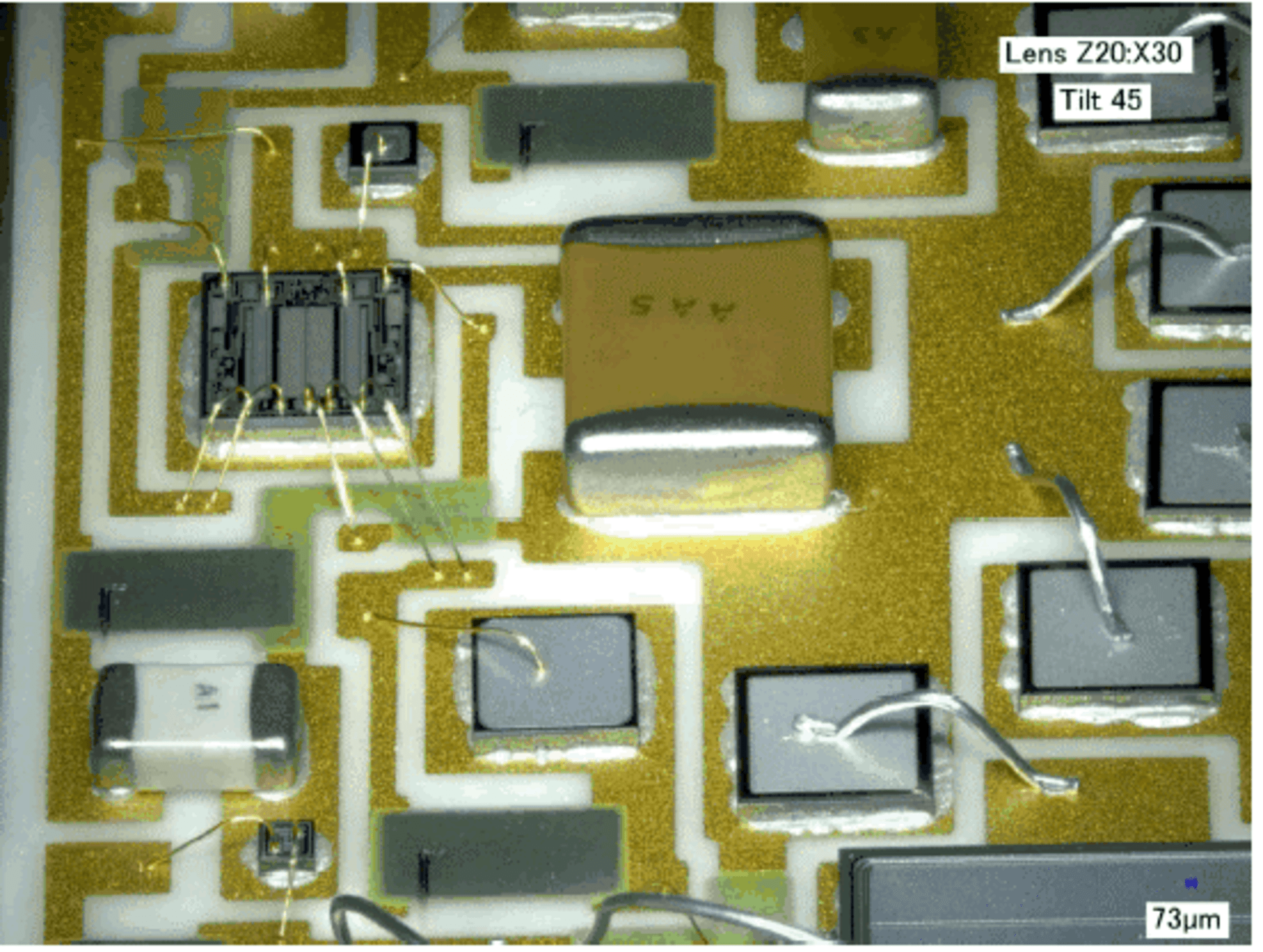
High-Reliability (Hi-Rel) components are specialized electronic components designed to meet stringent performance and reliability standards.
High-Reliability (Hi-Rel) components are essential in mission-critical applications such as Space, Military, Defense and safety-critical systems like Medical devices and Automotive.
These components are required to operate reliably under harsh environmental conditions, including extreme temperatures, pressure, and corrosive environments, making them indispensable in industrial applications and wireless mobile communications.
Their ability to withstand thermal and mechanical shocks, moisture, humidity, and corrosion is critical for optimized performance in extreme conditions, providing assurance and reliability in advanced technological applications.
Manufacturing process of Hi-Rel Components:
The manufacturing process of High-Reliability (Hi-Rel) components differs significantly from that of regular components to meet stringent performance and reliability standards.
Hi-Rel components use high-grade materials such as high-temperature superconductors, ceramics, high-purity metals (like gold and tungsten), and specialized alloys designed to withstand extreme conditions, while regular components use standard-grade materials.
The design and engineering of Hi-Rel components emphasize reliability and performance in harsh conditions, incorporating features such as redundancy and enhanced tolerances. Their manufacturing involves meticulous procedures, including extensive testing like thermal cycling, mechanical shock, and environmental resistance assessments.
Hi-Rel components are indispensable in critical applications due to their ability to withstand extreme conditions and ensure long-term reliability.
Standards for High-Reliability component
There are various types of standards that a component needs to comply with to be qualified as a High-Reliability component. These standards ensure that components meet stringent criteria for performance, durability, and reliability, particularly in critical and demanding applications.
Standard References:
-
- ECSS-Q-ST-60 – Electrical, Electronic and Electromechanical (EEE) components
- ECSS-Q-ST-60-12 – Design, selection, procurement and use of Microwave MMICs
- ECSS-Q-ST-60-13 – Commercial Of The Shelf (COTS) components
- MIL-PRF-19500 – Diodes & Transitors qualified JANTX/JANTXV/JANS
- MIL-PRF-38534 – Hybrid Microcircuits to Class H & K
- MIL-PRF-38535 – Integrated Circuits (SMD Microcircuits)
- MIL-PRF-55310 – Crystal Controlled Oscillators (XO, OCXO, TCXO)
- NASA EEE-INST-002: Outlines requirements for EEE components used in Space applications, focusing on reliability and performance
- AEC-Q100: Automotive Electronics Council’s qualification standard for integrated circuits
